Palmyra (Tadmor in Arabic) is in the heart of Syrian Desert, and is often described as the bride of the desert.
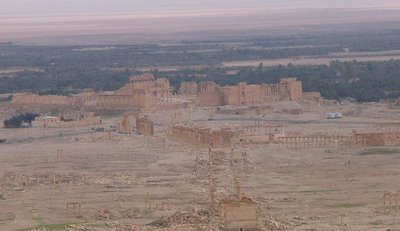
Its magnificent remains tell of a heroic history during the reign of Queen Zenobia.
The Oasis, as it is sometimes called, is located near a hot-water spring called Afqa, which make it an ideal halt for caravans moving between Iraq and Al-Sham (present day Syria, Lebanon, Holy Land and Jordan), trading in silk from China to the Mediterranean. This strategic location made Palmyra prosper in a well-established kingdom from the 2nd century BC.
After Romans conquered Syria, Palmyra flourished and became known as city of palm-trees. When Emperor Adrian visited Palmyra, he declared it a free city; in return, people of Palmyra gratefully called their city Adrianapalmyra.
The Severus emperors then, who were originally Syrian, came to rule Palmyra, they treated its people extremely well. Emperor Caracalla declared it a Roman colony, which made it a luxurious one: new constructions, streets, arches, temples and statues were built, making Palmyra one of the greatest cities of Roman empire.
When conflict between Persia and Rome reached its crisis, Rome resorted to ruler of Palmyra for help. This ruler, Auzaina, managed to withstand Persian armies, which led Romans to call him leader of East. But he was soon assassinated in mysterious circumstances, and his second wife, Queen Zenobia, a woman renowned for her exceptionally strong character, took power.
Zenobia ruled Palmyra in a way that astonished both West and East. She was exceptionally intelligent and attractive. She was a gifted linguist, an eloquent speaker of Palmyrian, Greek and Egyptian. Zenobia had a wide knowledge of politics, and in her court, she had many philosophers, scholars and theologians.
Queen Zenobia was soon fired by ambition of getting rid of Roman domination. In 268, during reign of Emperor Aurelian, she decided to conquer all of Rome's territories. He was then very much engaged in internal conflicts as well as external wars. This enabled her to take over whole Syria, conquer Egypt and send armies to Asia Minor, gaining control thereby of all land and sea ways to Far East. She took the title of August, which was only used by emperor of Rome, and she had money coined with her and her son's likeness upon it, without that of Rome emperor.
However, Emperor Aurelian took quick action in settling his internal disputes, and started to plan his revenge on Queen Zenobia. He formed a new army for this purpose, which proceeded through Turkey to conquer Zenobia's army in their first defensive position in Homs. It besieged Palmyra until it fell in 274. Queen Zenobia was defeated and taken captive to Rome, fettered in chains of gold where she poisoned herself.
The destiny of the great kingdom of Palmyra was no better than that of its queen; the city fell prey to looting and destruction. Archaeologists are still working on excavations there in order to uncover queen's palace, which was destroyed by Romans and replaced by a military camp.
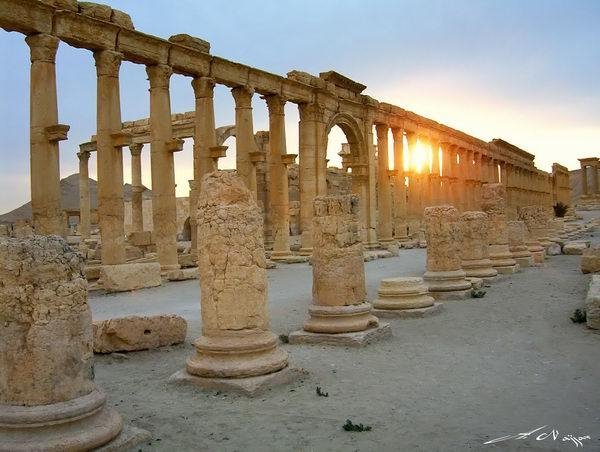
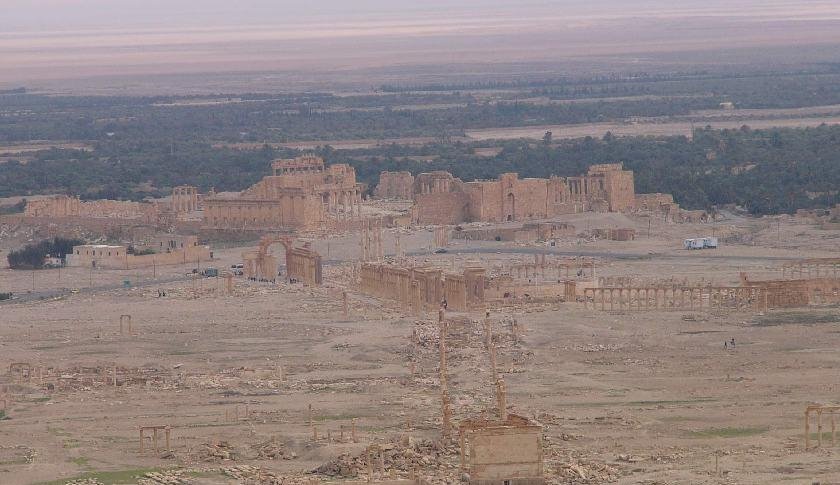
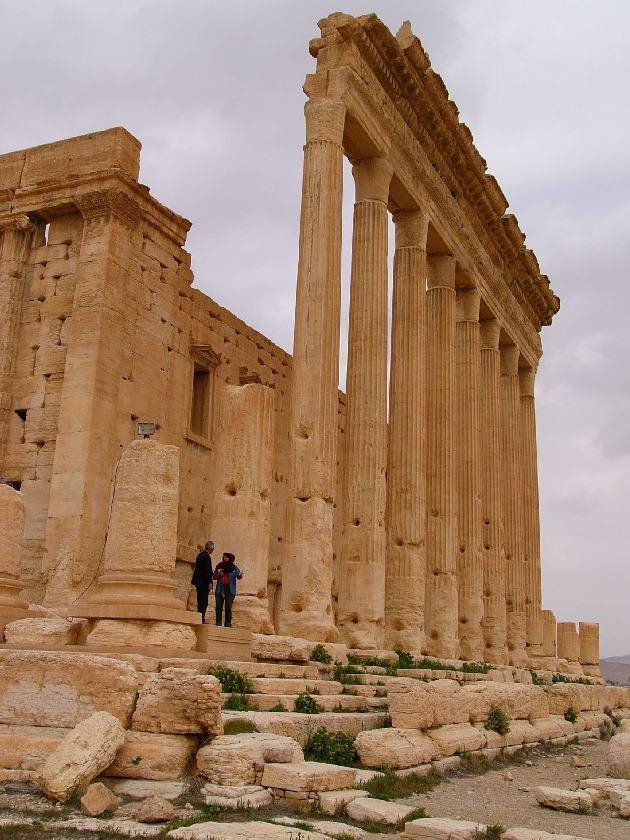
Queen Zenobia's ambitious dream is still embodied in the magnificent remains of what she built. Palmyra ruins, which covers an area of 6 square kilometers, requires a full day in order to form an adequate idea of the beauty of the remaining architecture such as Baal-Shamin Temple, Bel Temple, Arch of Triumph, the Amphitheater, the Baths, the Straight Street, the Congress Council and the Cemeteries.



 DreamHost promos